

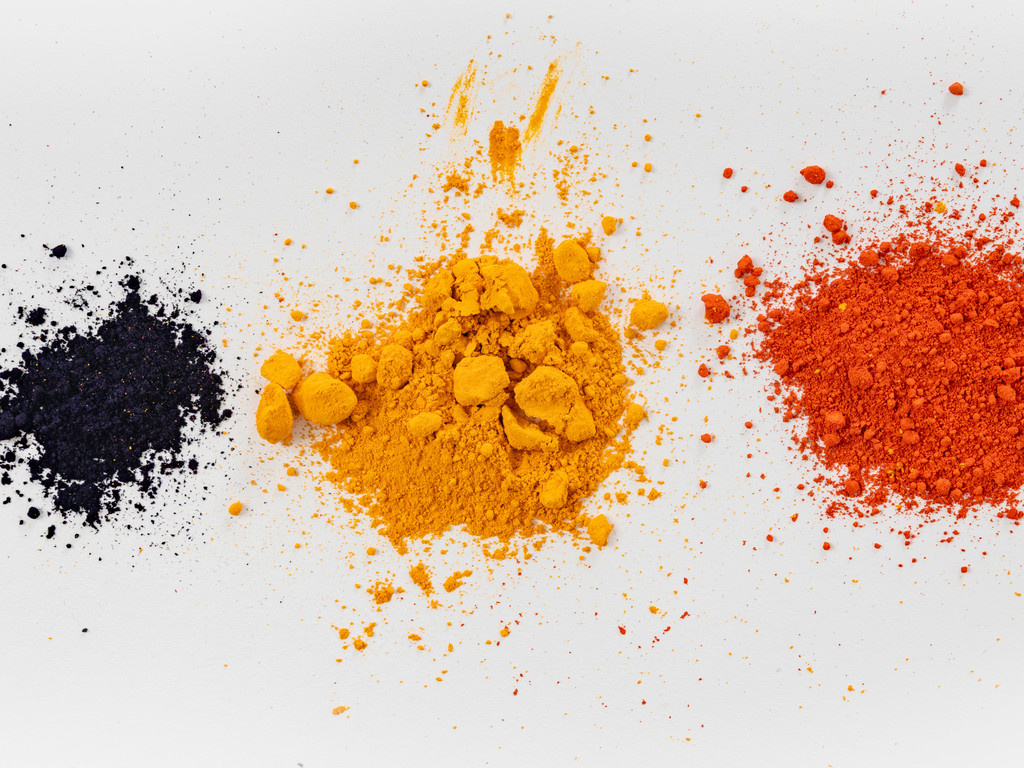
Dye forms and when each one is used
Candle dyes mainly come in block, powder and liquid form. Blocks give more predictable dosing on small batches, since they’re cut to a known weight. Powder dissolves faster and suits larger production volumes, but needs careful weighing so the shade doesn’t drift from batch to batch. Liquid dye is the easiest for quick adjustments, but is more sensitive to proper storage.
What affects colour consistency
- Pour temperature: too high a temperature can fade sensitive shades.
- Light exposure: some dyes fade over time if the finished candle sits in direct sunlight.
- Ratio to the wax base: the same dye dose gives a different result in pure paraffin than in a blend that includes stearin.
Test before full production
The shade in a liquid, molten state is almost always darker than the final, solidified colour. A small test pour before running a full batch saves unpleasant surprises in the finished product.
We stock candle dyes in multiple shades and forms. Ask for samples to test in your own blend before ordering a quantity.