

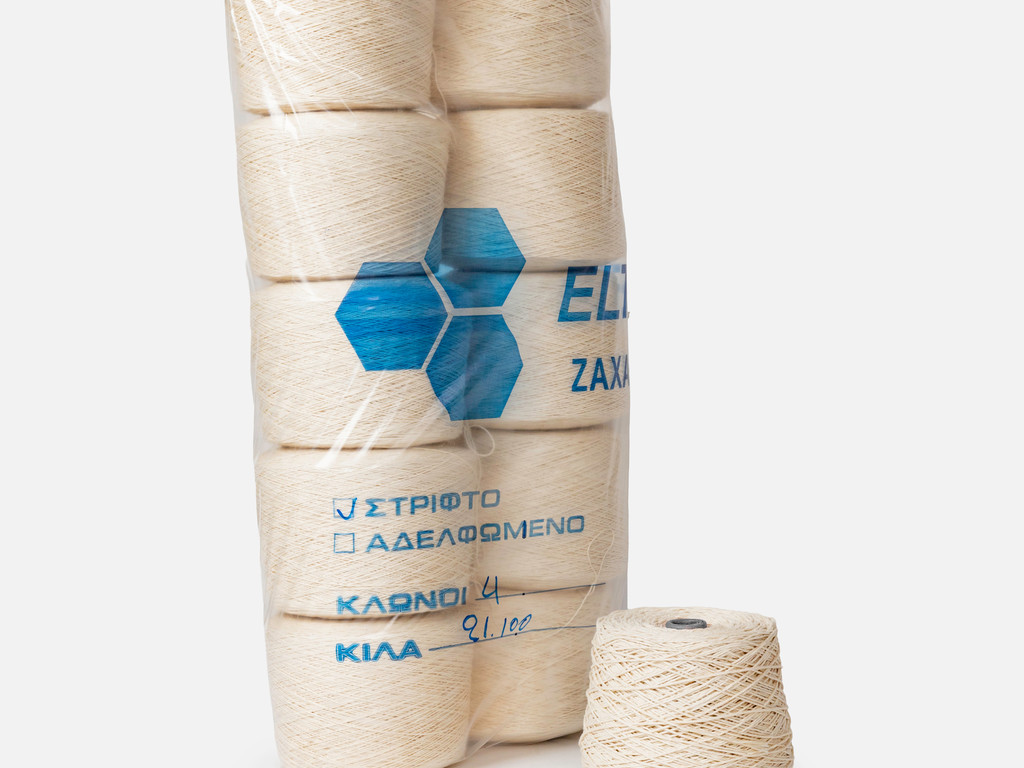
The wick sets the flame, not the other way round
A wick that’s too thin for the candle’s diameter won’t melt the full surface. It tunnels down the centre and the candle burns out prematurely. A wick that’s too thick melts wax too fast, produces soot and raises the risk of an unstable flame. Choosing the right ply is a decision driven by the diameter of the container or mould, not by the wax blend alone.
Factors that affect the choice
- Container or mould diameter: the primary variable. A larger diameter usually means a thicker ply or multiple wicks.
- Wax type: a blend with a high proportion of additives (stearin, hardeners) often needs a different ply than pure paraffin.
- Fragrance & colour: a high fragrance or dye load can change how the wick burns and may require adjustment.
- Container material: glass, ceramic and metal draw heat away at different rates, which affects the melt pool.
A burn test is still essential
Even when the theoretical choice is right, a full burn test under real conditions, with the same container, the same wax blend and the same fragrance load, is the only way to confirm the melt pool reaches the walls evenly without an oversized flame or soot.
We stock wicks in multiple plies and braid types with samples available. Ask us for a test set for your own container or mould.